Blog

May 2, 2022

Miguel Marques

Synthetic Ads, Real Elections

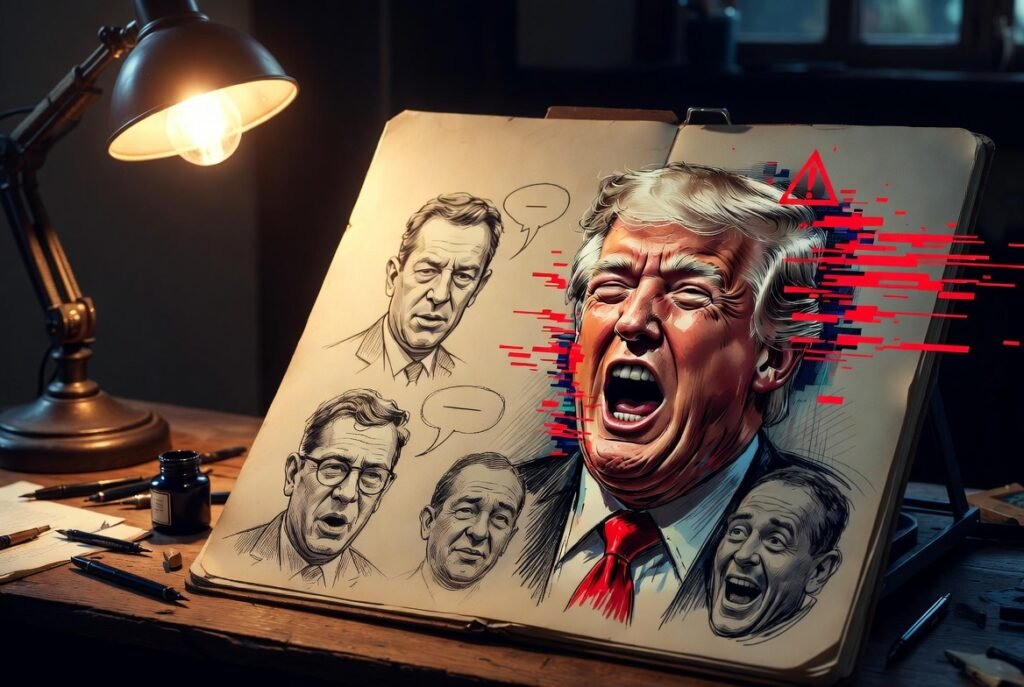
Every campaign clip now gets a timestamped backup filed the day it’s shot. Not out of habit. Out of necessity, because fabricating a candidate saying something they never said stopped being a specialized skill this cycle and became a weekend project. Political propaganda has always relied on exaggeration, selective framing, and emotional manipulation. What changed heading into this year’s midterms is the raw material. Synthetic audio and video are now cheap enough and convincing enough that fabricating a candidate saying something they never said is no longer a specialized capability. It is a weekend project, and campaigns, platforms, and regulators

March 28, 2022

Leo Cordelli

Visual Literacy Is the New Reading Level, and Most Adults Are Behind

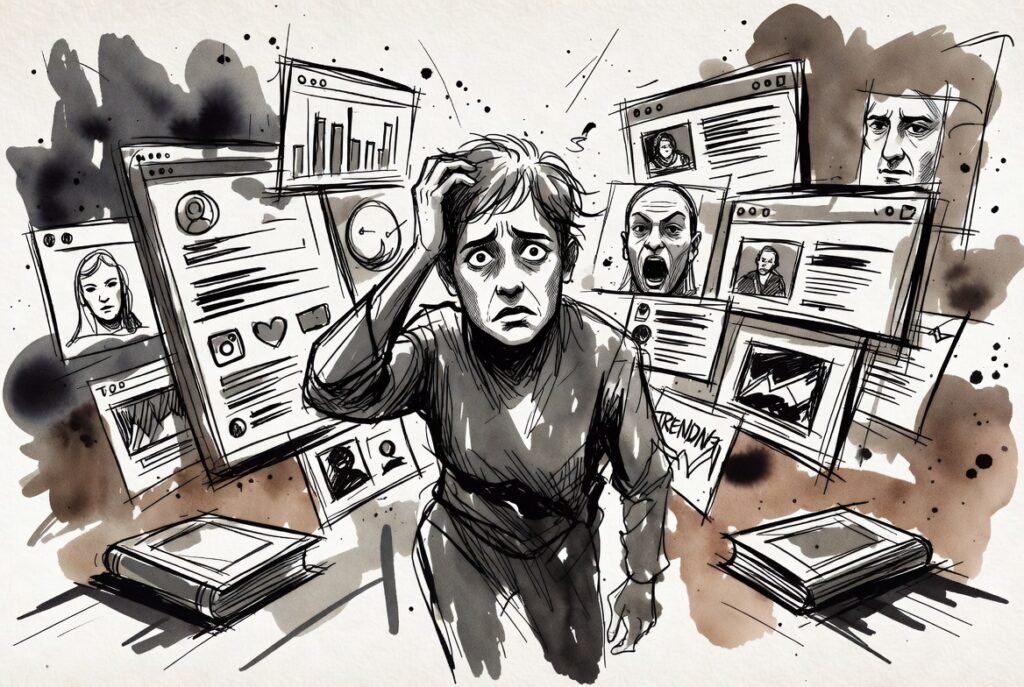
Reading got centuries of institutional scaffolding: schools, libraries, tests built to teach people to question a sentence before trusting it. Images never got the equivalent, mostly because a camera used to be reliable enough that nobody thought they’d need it. That assumption is now out of date. That reaction points at something worth naming directly. Reading, as a skill, got centuries of institutional investment: schools, libraries, standardized tests, an entire cultural infrastructure built around teaching people to interrogate a written sentence before trusting it. Images never got the equivalent infrastructure, mostly because a camera used to be a reasonably reliable


May 30, 2021

Kevin Yang

Age-Verification and What Democracies Are Giving Up for Online Safety

The fastest-growing threat to anonymous speech this year isn’t a censorship law. It’s a child safety law that almost everyone, free speech advocates included, wants to see succeed, which is exactly what makes its side effects so hard to argue against. That tension is the actual story of free expression policy in 2026. A wave of age-verification requirements has moved from proposal to enforcement across a range of jurisdictions, aimed at a genuinely serious problem: minors accessing harmful content and predatory platforms with no meaningful friction in the way. The friction point worth examining is what these laws require of