Articles for category: Education

December 7, 2022

Alex Johnson

Less is More (Why Creators Are Returning to Constraints)

Forty minutes. That’s what it now takes some designers to coax an image generator into rendering a hand holding a coffee cup correctly, a task a pencil would have settled in ten. Call it prompt fatigue, the exhaustion of infinite choice with no resistance built into any of it. That story is becoming common enough to have a name. People are calling it prompt fatigue, and it describes something more interesting than a technical complaint about extra fingers. It is the exhaustion of infinite choice with no friction attached to any of it. When every possible image is one sentence

Cities Are Now Betting on Public Art to Fix What Community Lost

A three-block mural, painted by forty residents over six weekends, turned a stretch of empty storefronts into the most photographed corner of a mid-sized Rust Belt city. It also did something no tax incentive on the books had managed: it gave people a reason to stop walking and talk to whoever was standing next to them. That is not a feel-good anecdote cities are telling themselves to justify an arts budget. It is a strategy, increasingly deliberate, showing up in planning documents and municipal budgets across a wide range of cities. The friction driving it is specific: traditional gathering spaces,

June 2, 2022

Garrett Newman

How Adults Are Relearning Careers in 90-Minute Chunks

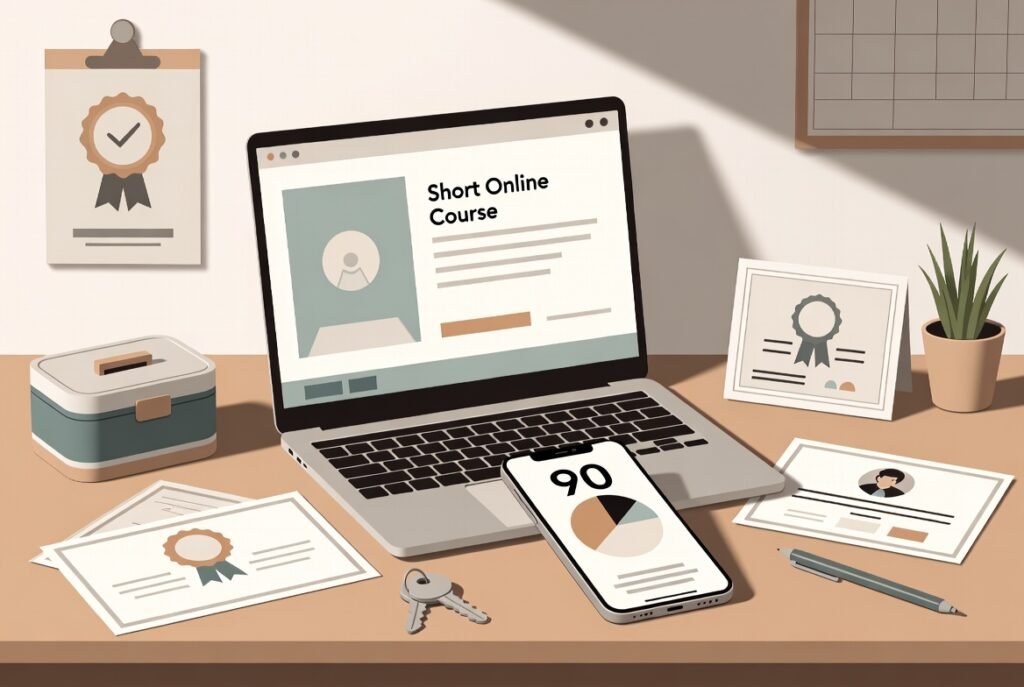
Careers used to change on a decade’s timeline. Now they shift inside the length of the certificate meant to prepare someone for them, which is why adult learning has quietly stopped looking like night school and started looking like a subscription habit. Adult learning quietly stopped looking like night school and started looking like a subscription habit. The friction driving this shift is specific and unglamorous: careers are changing faster than any traditional credentialing calendar can keep up with, and adults with mortgages and children do not have two years to spend finding out whether a new field suits them.

May 15, 2022

Jahir Uddin

The Oral Exam Is Back: How Schools Are Fighting to Keep Thinking From Getting Outsourced

A well-written essay no longer proves a student can think. That single, uncomfortable fact is rewriting how schools grade argument, sending the oral exam, an old and expensive tool, back into classrooms that abandoned it decades ago. That small, blunt fix says more about the state of critical thinking education than any policy memo could. The essay used to be the whole test. Now it is just the opening argument in a conversation designed to catch whether a real mind produced it. The Actual Problem, Named Precisely The friction here is not that students are cheating, exactly, though some are.

What Schools Are Learning a Year In to the Phone-Free Classroom Experiment

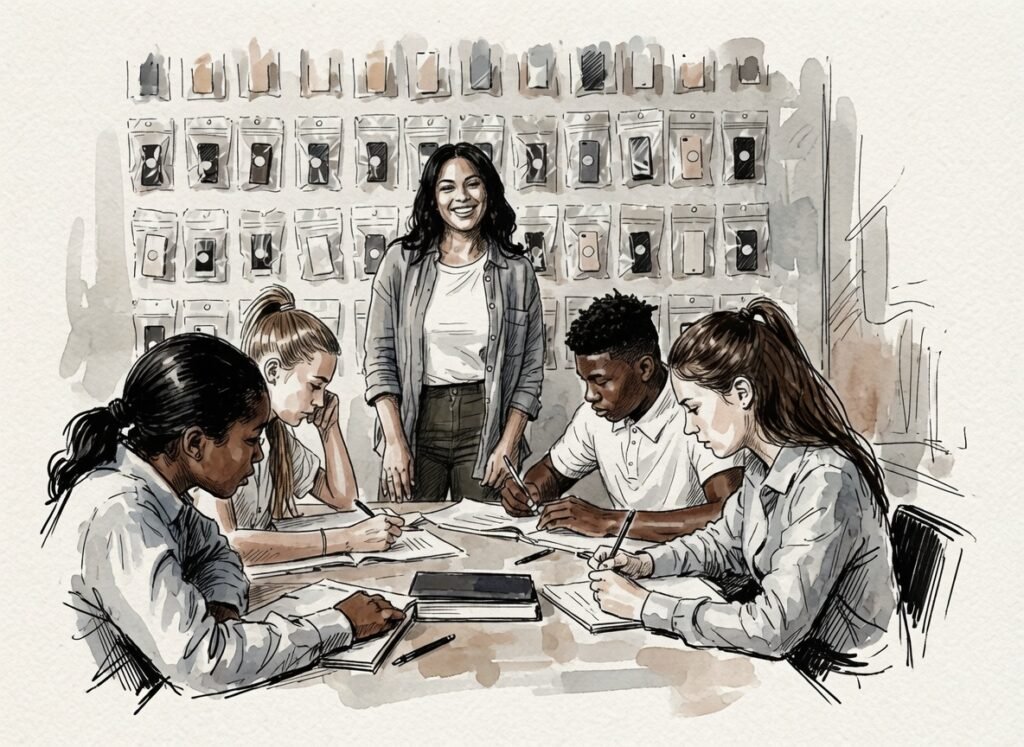
Lunch is loud again. In schools that spent this year locking phones in magnetic pouches from the first bell to the last, the clearest sign something changed isn’t a test score. It’s the noise in the cafeteria, kids talking over each other the way twelve-year-olds are supposed to. That detail matters more than it sounds like it should. Bell-to-bell phone restrictions rolled out across a wide swath of districts heading into this school year, and the early results are starting to separate the real effects from the wishful ones. The friction point worth examining is not whether phones are bad.

Inside the Skills-First Hiring Shift and Why the Portfolio Beats the Diploma

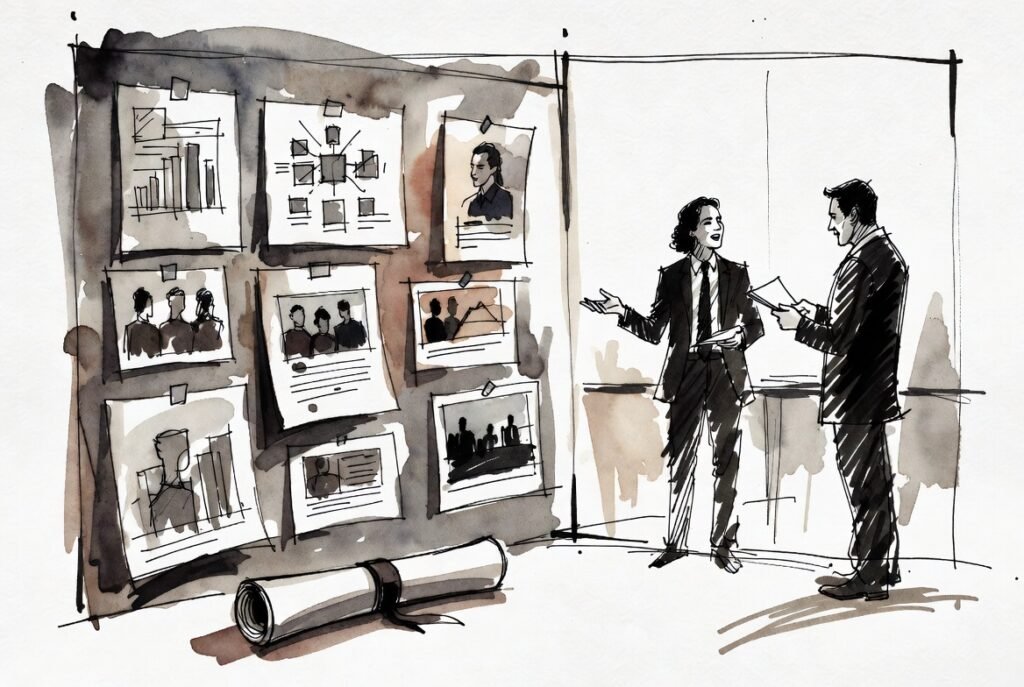
A hiring manager at a mid-size software company told me she has not opened a resume’s education section in months. She reads the portfolio link first. If there is nothing to click, the resume goes in the second pile, degree or no degree. That habit, multiplied across thousands of hiring managers this year, is the real story behind the skills-first hiring movement finally showing up in actual behavior instead of just in press releases. Companies have said “we value skills over degrees” for a decade without changing much about who actually gets hired. In 2026, entry-level hiring pressure from automation